The Difference Between Hardscape and Softscape
Learn the difference between hardscape and softscape and how both elements create balanced, beautiful landscapes.
Every good garden is a balance of two things: the built parts and the living parts. Landscapers call them hardscape and softscape. Knowing the difference between hardscape and softscape helps you plan a space that looks complete, works year-round, and stays within budget. This guide explains what each term covers, gives clear examples, and shows how to balance the two for a garden that suits Dubai's climate.
The Difference Between Hardscape and Softscape in Short
The difference between hardscape and softscape is simple. Hardscape is the non-living, built elements of a garden, such as paving, walls, and pergolas. Softscape is the living elements, such as plants, trees, lawns, and soil. A well-designed landscape blends both so the space is usable and green at the same time.
What Is Hardscape?
Hardscape covers everything solid and built in a garden. These elements give the space its structure, define how people move through it, and stay much the same year-round. They are installed first, because the planting is arranged around them.
Common hardscape examples include:
- Paving, patios, and pool decks
- Driveways, paths, and steps
- Retaining walls and raised planters
- Pergolas, gazebos, and shade structures
- Timber or composite decking
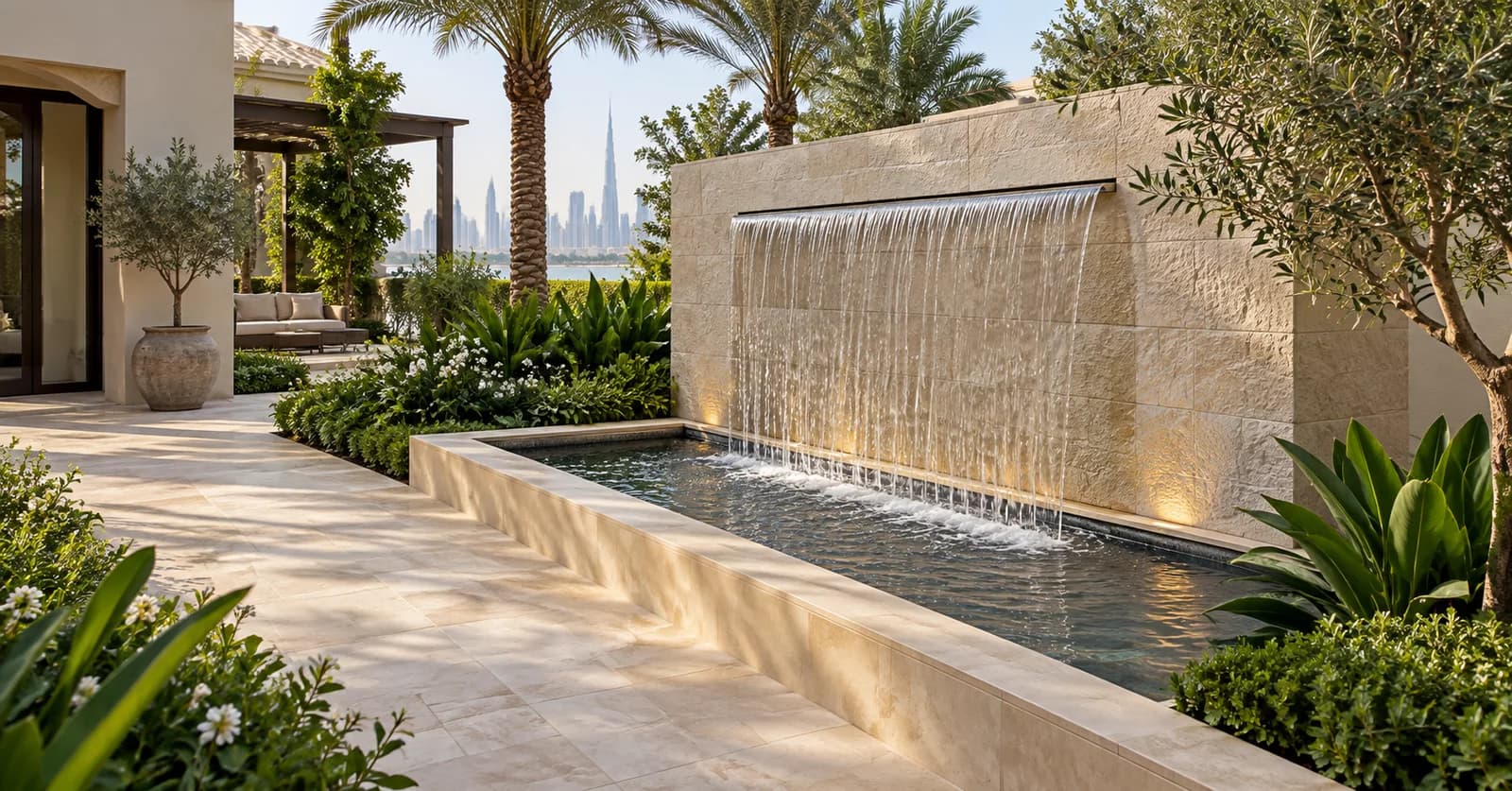
- The built shells of water features
Well-built hardscaping is what makes a garden usable, giving you level, durable surfaces to walk, sit, and entertain on.
What Is Softscape?
Softscape is the living, growing part of the landscape. It brings colour, shade, scent, and softness, and it changes with the seasons as plants grow and mature. Unlike hardscape, softscape needs ongoing care to look its best.
Common softscape examples include:
- Trees and palms
- Shrubs and hedges
- Lawns and groundcover
- Flowers and seasonal planting
- Soil, compost, and mulch
Thoughtful softscaping is what turns a bare, paved yard into a garden that feels alive.
Hardscape vs Softscape: Key Differences
The two work together, but they behave very differently in cost, upkeep, and lifespan. Understanding those differences helps you plan a garden that stays beautiful without becoming a burden.
| Aspect | Hardscape | Softscape |
|---|---|---|
| Nature | Non-living, built | Living, growing |
| Examples | Paving, walls, pergolas | Plants, trees, lawns |
| Maintenance | Low, occasional | Ongoing watering and pruning |
| Lifespan | Years to decades | Grows and changes over time |
| Main role | Structure and function | Softness, colour, and life |
How to Balance Hardscape and Softscape
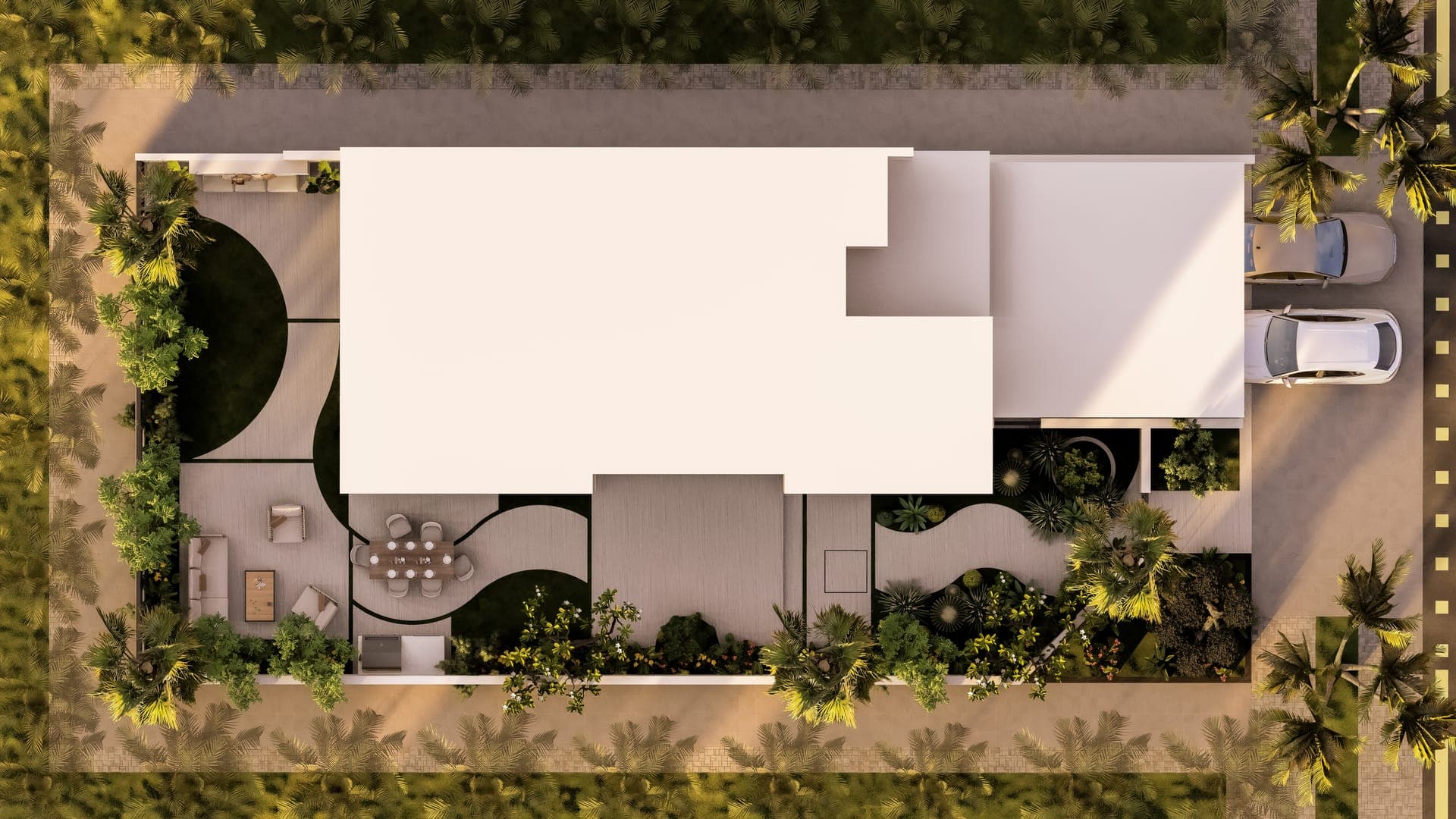
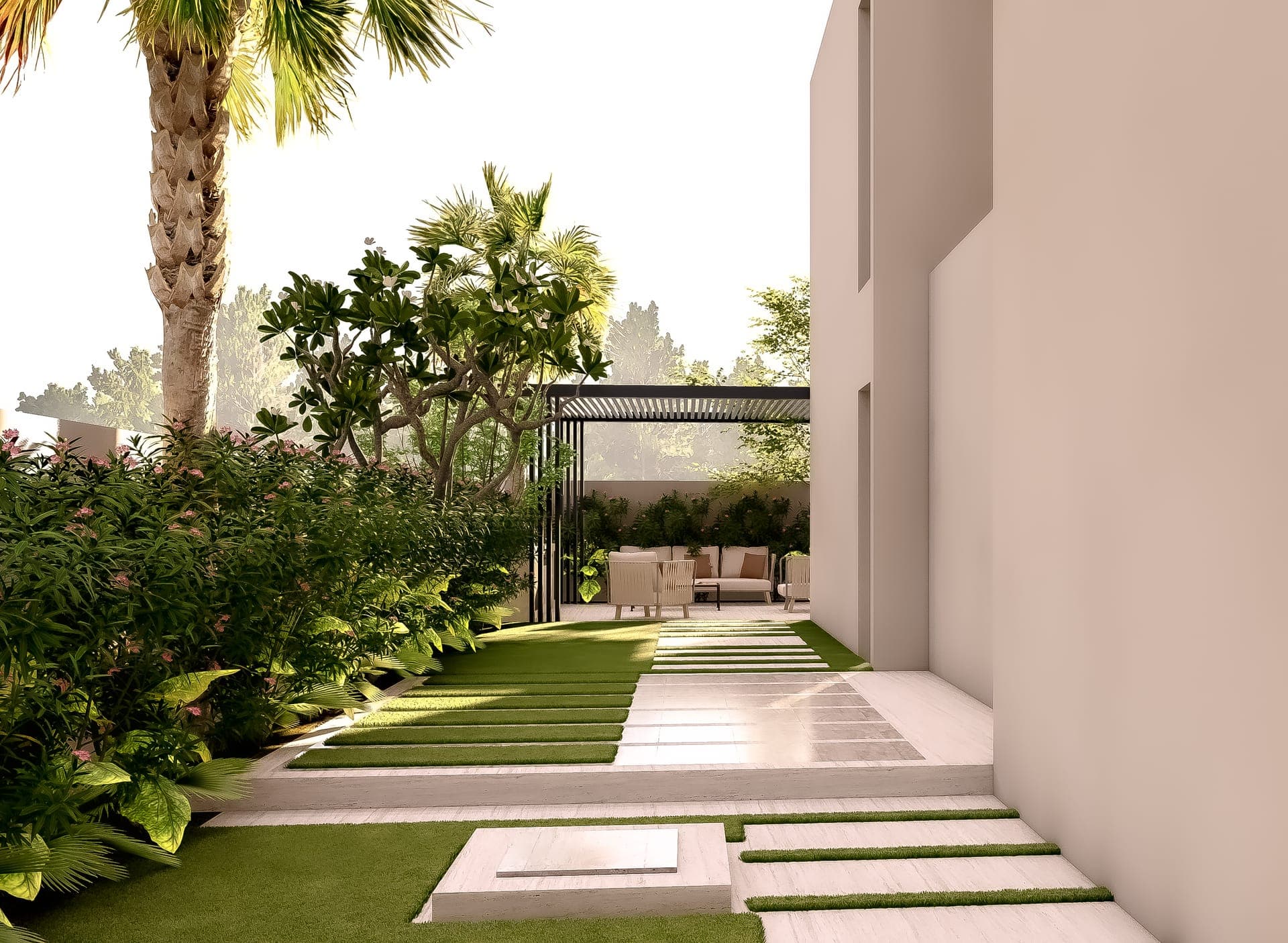
A garden that is all paving feels hard and hot, while one that is all planting can be impractical to use. The usual aim is a balance, often around two-thirds softscape to one-third hardscape, though it shifts with how you want to use the space. Function comes first, then you soften it with planting.
In Dubai, that balance leans on the climate. Shade structures and durable paving handle the heat, while drought-tolerant planting and smart irrigation keep the green parts alive without waste. Getting the mix right is the heart of good landscape design, so it helps to plan both together rather than adding plants to a finished patio. Ready to start? Plan your garden with our team.
Frequently Asked Questions
What is the difference between hardscape and softscape?
Hardscape is the non-living, built parts of a garden, such as paving, walls, and pergolas. Softscape is the living parts, such as plants, trees, lawns, and soil. Good gardens balance both.
Which comes first, hardscape or softscape?
Hardscape usually goes in first. The paving, walls, and structures set the layout, and the softscape planting is then arranged around and softens those built elements.
What is the ideal ratio of hardscape to softscape?
A common guide is about two-thirds softscape to one-third hardscape, but it varies. Entertaining spaces use more hardscape, while green, relaxing gardens lean toward softscape.
Is a swimming pool hardscape or softscape?
A swimming pool is hardscape. It is a built, non-living structure, along with its deck and coping. The planting around it is the softscape that softens the edges.
Why is balancing hardscape and softscape important?
Balance makes a garden both usable and beautiful. Hardscape gives structure and durability, softscape adds life and shade, and together they create a space that works year-round.